About us

The Ohr Torah Interfaith Center aims to make religion part of the solution to global challenges by promoting mutual recognition and respect between Judaism and other faiths. It is based on the belief that Judaism has a significant role to play in the larger story of humanity, especially in this new era of globalization on the one hand, and the establishment of Israel, on the other. This work has always been as urgent as it is complex, but never more so than in recent months, since October 7, 2023.

What We Do

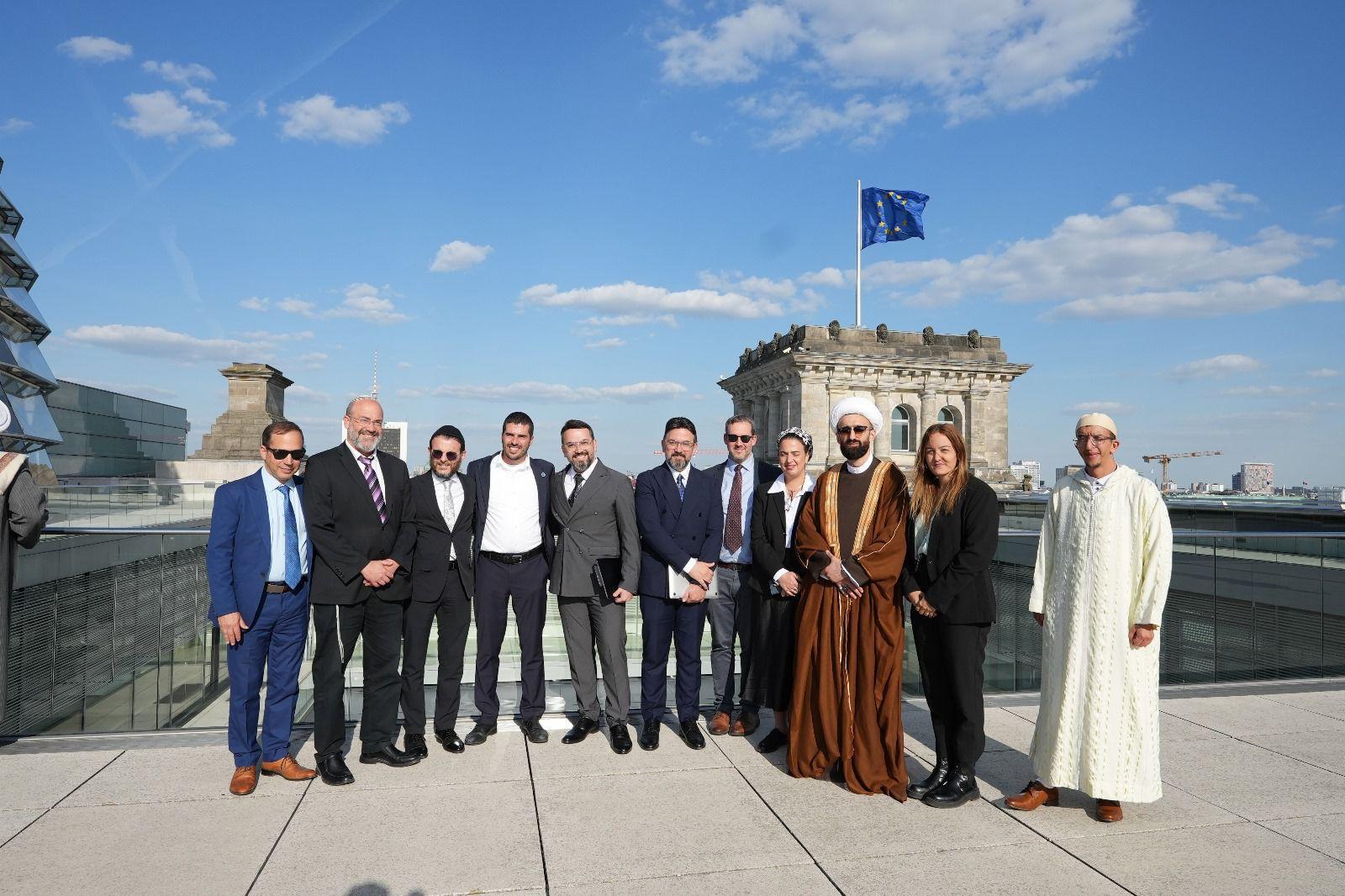
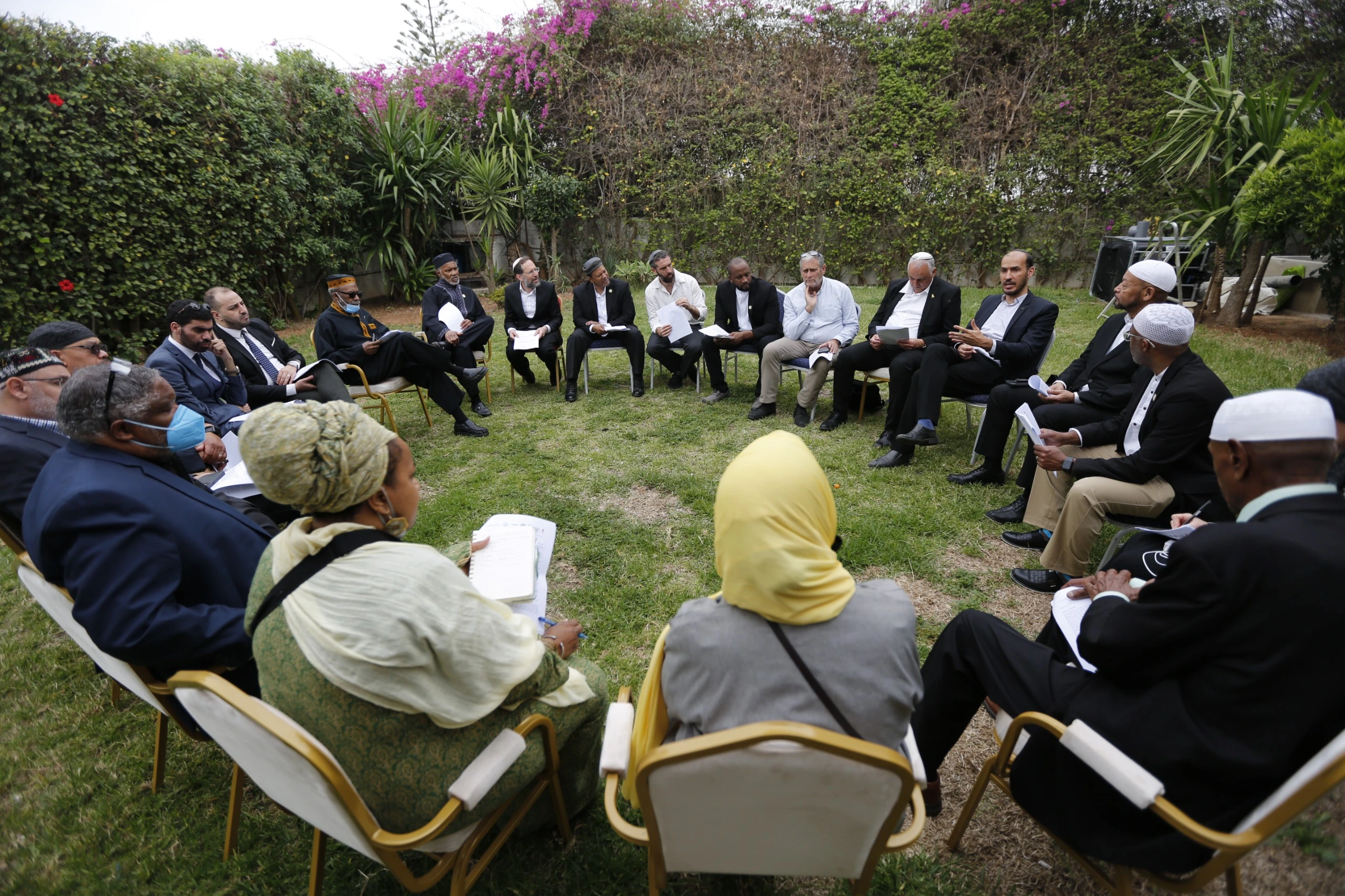
The Interfaith Center's initiatives include developing an intellectual infrastructure, garnering support within the Jewish people for interfaith dialogue, and advancing long-term connections with leaders of other faiths. Established in 2020 by Ohr Torah Stone’s President and Rosh HaYeshiva Rabbi Dr. Kenneth Brander, it is recognized by religious and political leaders and organizations nationally and globally, with connections spanning Morocco, Saudi Arabia, the UAE, Iraq, Indonesia, Kazakhstan, Europe, the US, and more, as well as Israel and the Palestinian Authority.

The Ohr Torah Interfaith Center comprises:

The Blickle Institute for Interfaith Dialogue

The Blickle Institute for Interfaith Dialogue, which trains 12 Blickle Fellows (leading educational and rabbinic figures from the entire spectrum of the Jewish religious community) through an intensive, yearlong program on interfaith relations. Notable achievements include an alumnus playing a pivotal role in mediating between Israeli politicians and Muslim leaders in the Middle East; another leading interfaith dialogue in Israeli mixed cities; and another spearheading a joint Israeli-Palestinian study group.
LEARN MORE

The Beit Midrash for Judaism and Humanity (BMJH)

The Beit Midrash for Judaism and Humanity (BMJH), researches and prepares halakhic literature related to Judaism’s vision of world religions and the treatment of minorities in the State of Israel. The impact of the Interfaith Center on the Jewish people is exemplified by seminal publications such as the BMJH’s bestselling book God Shall Be One: Re-envisioning Judaism’s Approach to Religions, which charts the path for healing the relations between Judaism and world religions.

The BMJH’s second book, And They shall Live With You, charts a Torah-based path for shared responsibility with Israel’s non-Jewish minorities. Endorsing it, Israel’s President Mr. Isaac Hertzog, said that this book “is worthy of becoming a key guide on this important matter, of the relationship with minorities in the country”.
LEARN MORE

The Hertog Center for Jewish-Christian Understanding and Cooperation (CJCUC)

The Hertog Center for Jewish-Christian Understanding and Cooperation (CJCUC), which shares a positive perspective on Israel with thousands of Christian community leaders, college students, and leading academics. The Interfaith Center is invested in continuing the historical shift in Jewish-Christian relations in the previous generation. It builds on the work of the CJCUCto continue sharing the wisdom of the Torah with Christian partners.
LEARN MORE
Slide 1
WHY WE DO IT
Religion in Conflict Resolution.
Reconciling Faith and Reason.
Religion is one of the driving forces of humanity. Regardless of personal faith, one cannot ignore the decisive impact of religious identities on global politics. However, modern theories of conflict resolution are rooted in Enlightenment-era philosophy and focus on factors such as power, interests, and influence to explain conflicts (and, presumably, to resolve them). In most cases, religious feelings, beliefs, and identities only play a role in these theories as manifestations of the desire for power.
Slide 1
WHY WE DO IT
Religion as a
Pathway to Peace
Beyond Oslo
While these theories offer valuable insights from a certain viable standpoint, we argue that a long-term reconciliation must go through the religious dimension. For example, ignoring the religious aspect of the conflict in the Middle East was already tried in the Oslo Accords. It resulted in their collapse and the rise of extreme and violent religious forces. Ignoring an essential part of a problem does not make it disappear, but rather makes it grow to the verge of explosion. Since religion is clearly part of the problem, it must also be part of the solution.
Slide 1
WHY WE DO IT
Building Bridges Between Faiths
From Tension to Trust
For us as people of the Jewish faith, the story goes even deeper. Therefore, the purpose of the Ohr Torah Interfaith Center is to promote reconciliation between Judaism and world religions, as well as realigning the Jewish people within the broader narrative of humanity.

By “reconciliation between Judaism and world religions,” we mean mutual recognition and respect between Judaism and other faiths based on deep learning and understanding. We believe that millennia-old tensions and complexities demand gradual and long-term processes leading to a new level of appreciation and trust.
Slide 1
WHY WE DO IT
Faith as a
Force for Peace
Judaism and the World
By “realigning the Jewish people within the broader narrative of humanity,” we mean harnessing the Jewish people to live up to the vision of responsibility for the world set forth by its prophets. We also acknowledge the religious dimension of Israel’s conflicts in the Middle East; and understand that part of our mission is to move religion from being a part of the problem to becoming a part of the solution.

Why Now

We believe that interfaith diplomacy has always been as urgent as it is complex, and even more so on the backdrop of recent global events.

The horrific massacre of October 7, 2023 gave the world a close encounter with the outcomes of the weaponization of religion and the challenge it poses to global stability. On top of that, the recent upheaval in Gaza has also led to a surge in antisemitism around the world, while Muslim communities suffer the consequences of Islamophobia.

This complex situation has created a confluence of interests for Jewish and Muslim religious leaders. We believe that the time has come for them to step up and forge creative alliances with one another. Such alliances can also help alleviate internal tensions within the Jewish people and Israeli society, which are torn over the relationship with the “other.”

Who We Are

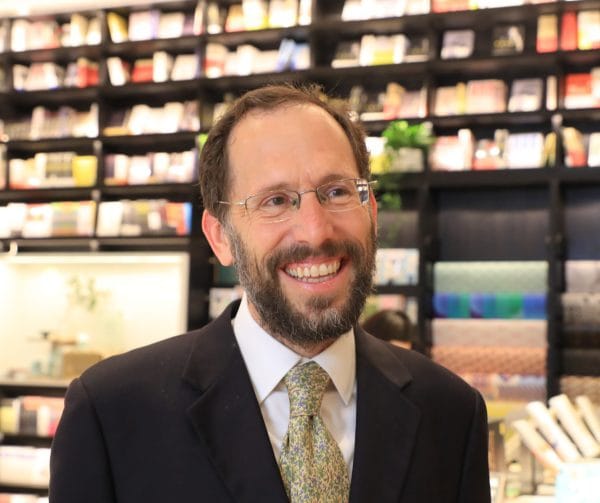
Rabbi Yakov Nagen
Rabbi Dr. Yakov Meir Nagen
President

Rabbi Yakov Nagen is the head of Ohr Torah Stone’s Blickle Institute for Interfaith Dialogue and Beit Midrash for Judaism and Humanity, as well as the Executive Director of the Ohr Torah Interfaith Center. He holds a Bachelor’s and Master’s degree from Yeshiva University, rabbinic ordination from RIETS, and a PhD in Jewish Philosophy from the Hebrew University of Jerusalem.

For 25 years, Rabbi Nagen served as a senior educator at Yeshivat Otniel. A prominent advocate of religion as a means for promoting peace, he has been a leading figure in interfaith dialogue, particularly between Judaism and Islam, for two decades.

Rabbi Nagen is the author of ten books and numerous articles on Jewish spirituality, Talmud, interfaith relations, and other topics. He was also featured in Tablet magazine as one of the ten “Israeli Rabbis You Should Know.”

Read More
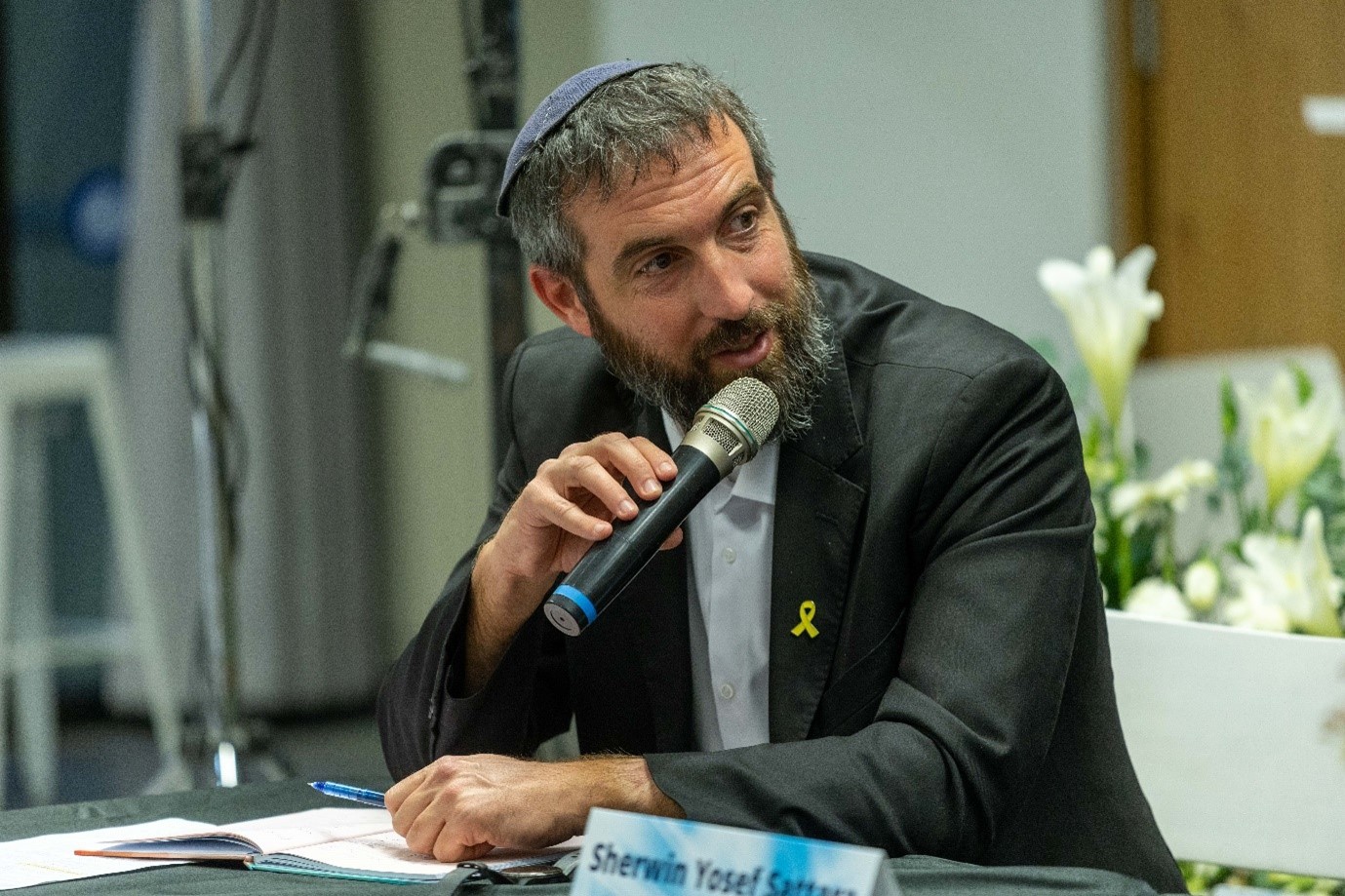
Rabbi Dr. Aharon Ariel Lavi
Chief Executive Officer

Rabbi Aharon Ariel Lavi is the Managing Director of the Ohr Torah Interfaith Center, which works with religious leaders worldwide to make religion part of the solution to global challenges. He was also the founder of Hakhel, the Jewish Intentional Communities Incubator in the Diaspora, and MAKOM, the Israeli national umbrella organization of intentional communities (both projects were awarded the Jerusalem Unity Prize by the President of Israel).

Lavi holds rabbinic semicha and academic degrees in Economics, Geography, History, and the Philosophy of Ideas. His PhD dissertation explored the migration of ideas between US Jewry and Israeli society. A 2024 Harvard Divinity School postdoctoral fellow, he continued to research Jewishly inspired community building at Bar-Ilan University’s Weisfeld Ma’ayan Institute in 2025. He is a published author on Jewish economic and environmental thought, community building, international religious affairs, and more. He also teaches Jewish economic thought and community building in academia.

Outside of his professional life, Lavi is an avid mountain biker, racer, trainer, and trail builder. He lives with his wife, Liat, and their five children in the community they founded together in Shuva, on the Gaza border.

Read More
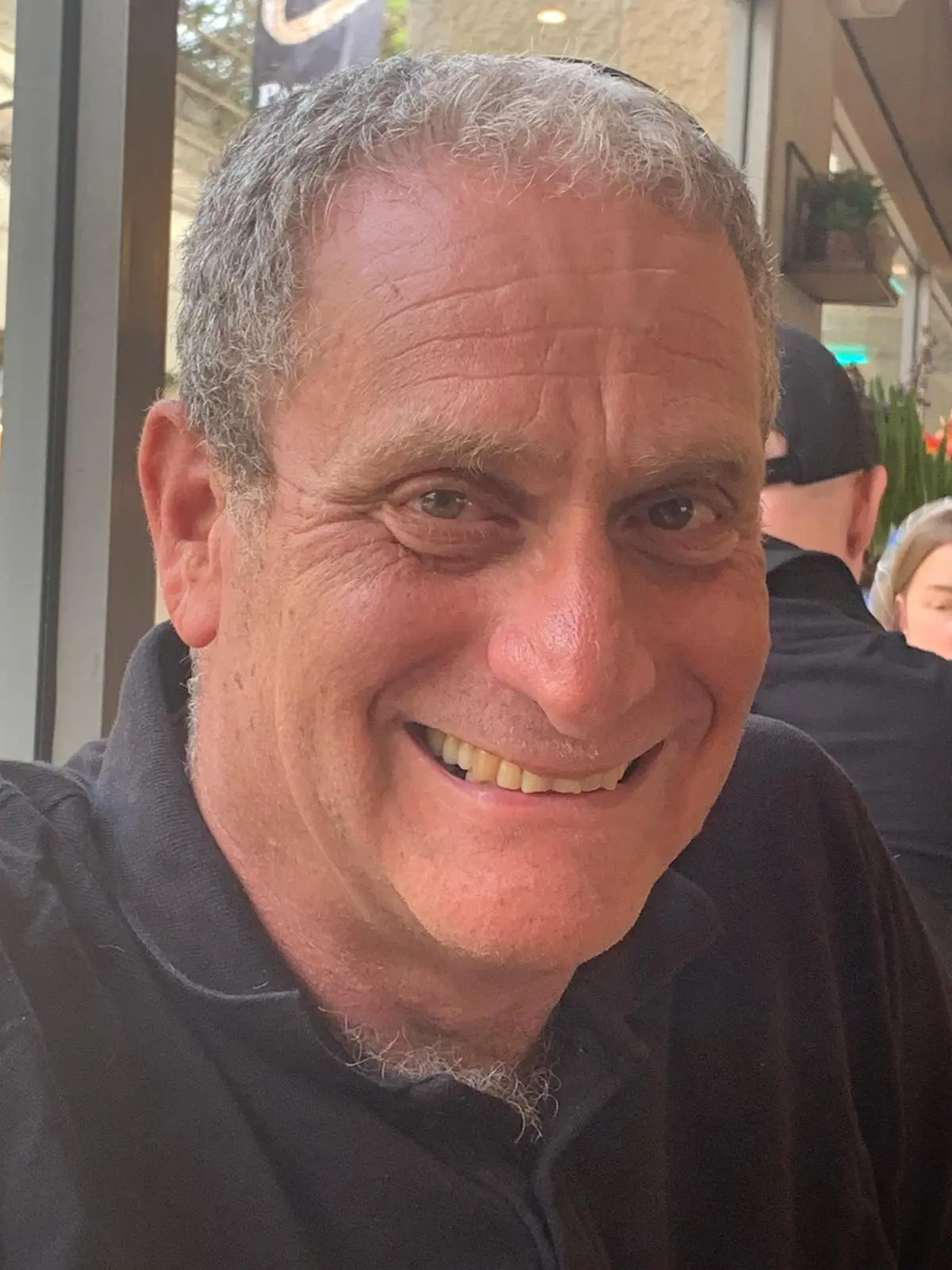
Rabbanit Yaffa Aranoff
Senior Researcher

Rabbanit Yaffa Aranoff completed Ohr Torah Stone’s Susi Bradfield Women’s Institute for Halakhic Leadership (WIHL) in 2023, after five years of intensive study and examinations on the level that men take for the Israeli rabbinate. She has a Bachelor’s in History from Barnard College and an Master’s in Jewish History from the Hebrew University of Jerusalem. Rabbanit Aranoff loves teaching and writing, and currently teaches at Ohr Torah Stone’s leading women’s learning program Midreshet Lindenbaum. She is continually inspired by the potential of interfaith partnership based on genuine mutual respect, and is honored to work with the Ohr Torah Interfaith Institute. Originally from New York, Rabbanit Aranoff moved to Israel in 1995 and lives in Jerusalem with her family.

Read More
VIEW MORE

Strategic Principles

Resourcing: Ideas Have Consequences

Ideas are the underlying infrastructure of human deeds. Hence, if we wish to impact human and societal behavior in the long run, we should aim at impacting the world of ideas. Religious beliefs, thought, and tradition are all key in this context. Our goal is to propel a paradigm shift anchored in the core ideas that motivate people to act through original research and ideas. We call this Resourcing. We are not reforming our religious principles to align with external values, nor do we encourage or expect our non-Jewish partners to do so. Instead, we intend to bring forward new and creative thinking rooted in our traditional sources and create the intellectual infrastructure for a paradigm shift.

Field Building

Inducing an impactful social change process rests on two pillars: recruiting and training social change agents and networking them. While the interfaith field in the Jewish world is still nascent, it already includes at least a dozen significant organizations, each doing its own unique work and bringing value to the field and to society at large. While most of the leaders, activists, and organizations in the field know each other and have crossed paths in the past, they were never brought together in an orderly manner. Hence, the field lacks coordination and some efforts are duplicated; and thus, it does not realize its full potential.

The Ohr Torah Interfaith Center wishes to position itself as the go-to place for interfaith work in the Jewish world. To this end, the Interfaith Center works to train leaders and activists in the field, network them, and provide them with relevant professional resources and tools. We aim to ignite a field-building process modeled after other successes from recent years, such as the fields of Jewish Intentional Communities (led by the Hakhel network), Jewish Peoplehood (led by the Reut Institute), caring for people with disabilities \(led by the Ruderman Foundation), the Trauma Coalition, and more.

Connection Before Correction

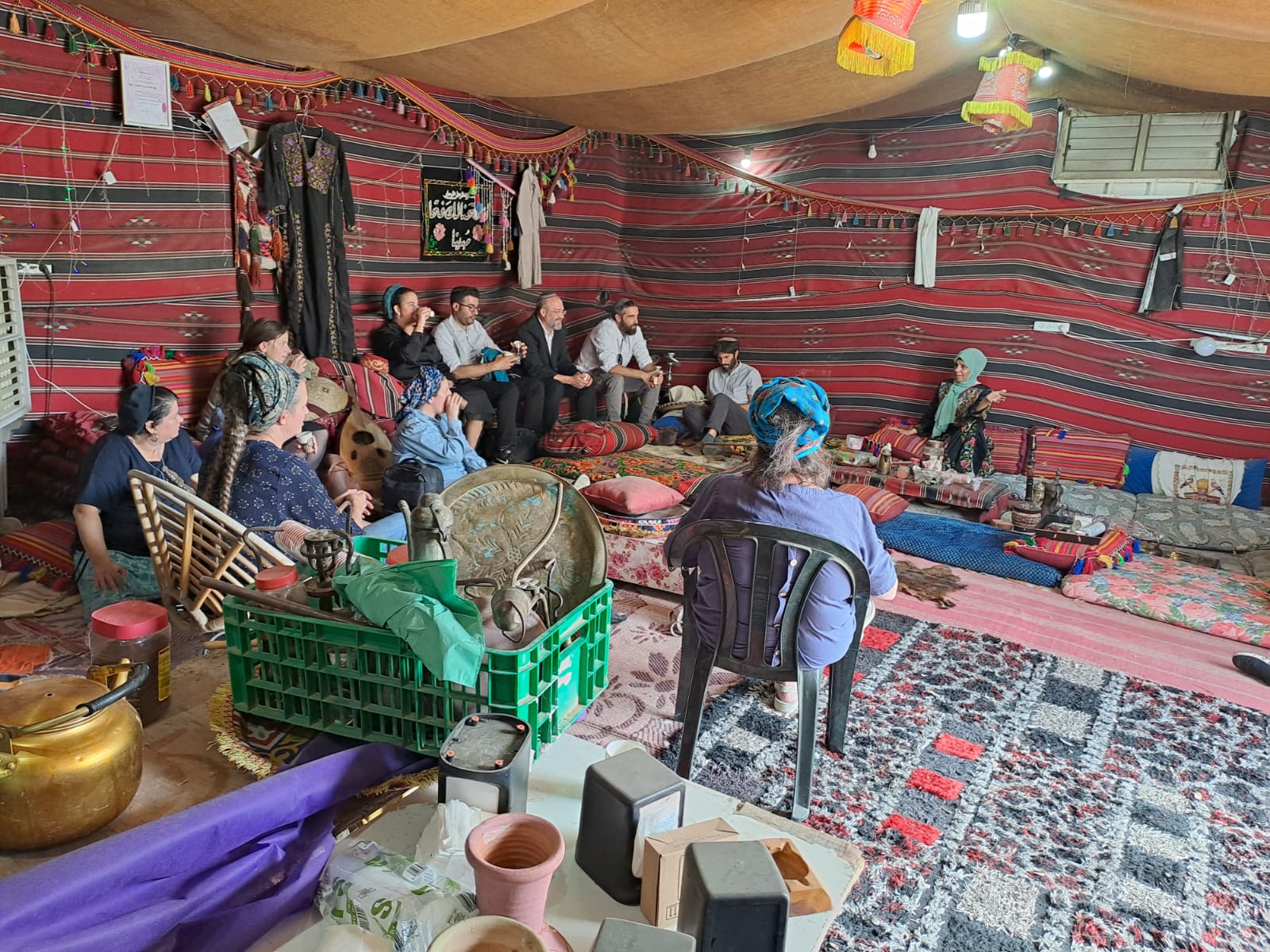
The path to the mind goes through one’s heart. One of the primary reasons for religion being part of the problem of social tensions is the lack of trust between adherents and leaders of different faiths. While deeper rectification can only be achieved in the world of ideas, one of the most significant steps should be establishing deep, long-term, and trust-based relationships with influential non-Jewish partners worldwide.

© Copyright 2026 - Ohr Tora Stone - All Rights Reserved
© Copyright 2026 - Jerusalem Interfaith Center - All Rights Reserved
heartenvelopeenterusersphone-handsetphonemap-markerspell-checkmagnifiercrosschevron-downlayers linkedin facebook pinterest youtube rss twitter instagram facebook-blank rss-blank linkedin-blank pinterest youtube twitter instagram